| Power Classification | |
| Introduced | c1815 |
| Designer | William Hedley & Timothy Hackworth |
| Company | Wylam Colliery |
| Weight | 12t |
| Driving Wheels | 3ft 3ins |
| Boiler Pressure | 50psi |
| Cylinders | 9in x 36in |
| Tractive Effort | |
| Valve Gear |
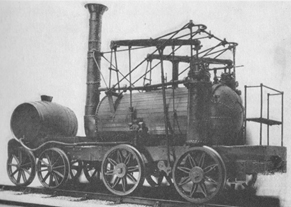
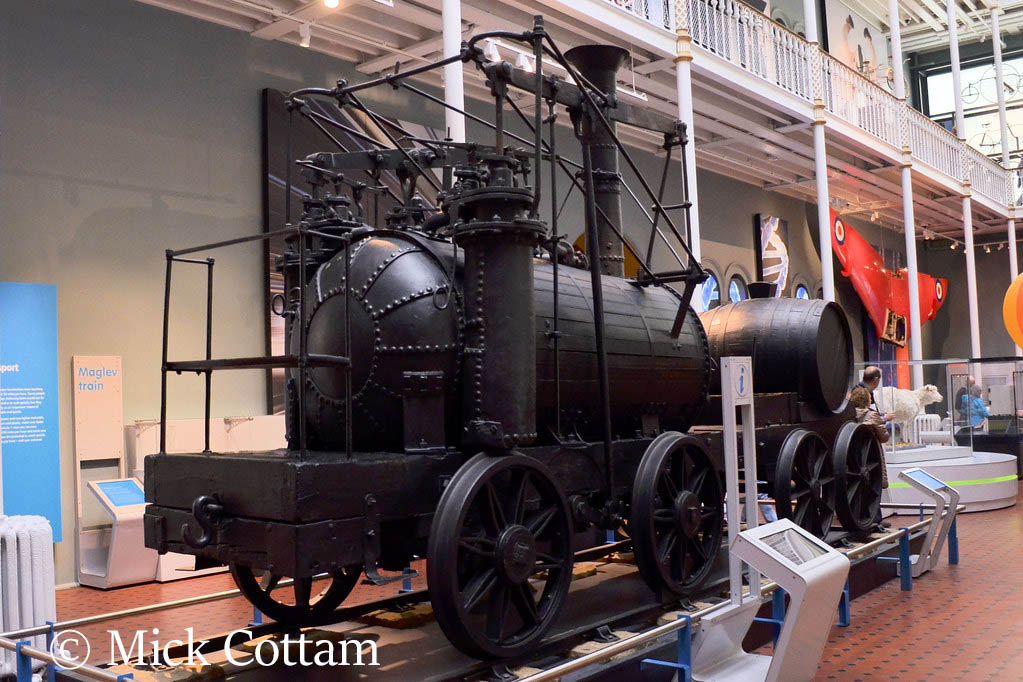
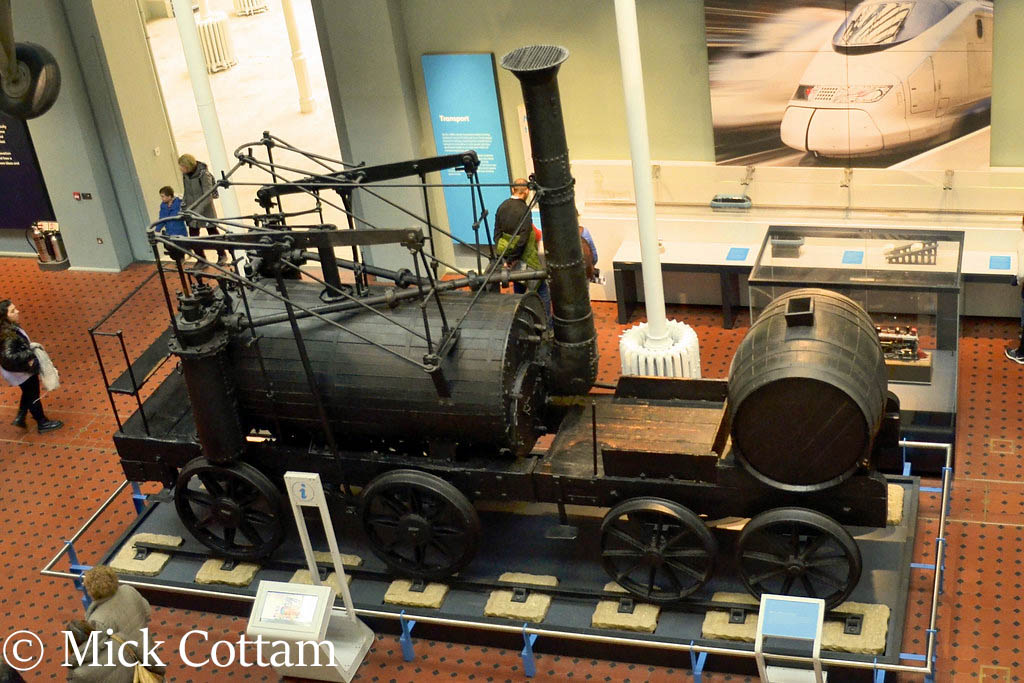
This is one of the earliest engine still in existence, and one of the very first ever built. It was constructed by William Hedley, with the assistance of Timothy Hackworth, around 1815 at Wylam Colliery in Northumberland.
Until a thorough examination of Wylam Dilly and Puffing Billy was undertaken in 2008, it was thought that Wylam Dilly was the oldest surviving steam locomotive in the world. The research results, released in late 2008, showed that Wylam Dilly was built after Puffing Billy incorporating improvements on the locomotive’s design that weren’t present in Puffing Billy.
It proved to be too heavy for the original cast-iron wagonway so the engine was rebuilt in 1815 as an eight wheeler.
In 1822 the locomotive was temporarily mounted on a keel and served as the engine for a steam paddlewheeler that ferried strikebreakers on the River Tyne.
It was altered back to the present four-wheeled arrangement in 1830, when the line was relaid with cast-iron rails.
When Wylam Colliery closed in 1862 the engine was transferred to Craghead Colliery.
On withdrawal in 1883 it was presented by Hedley Bros of Newcastle on Tyne, to the Royal Scottish Museum in Edinburg where it is on static display.
| Home Base | Current Status | Owner |
| Royal Scottish Museum in Edinburg | On static display | Royal Scottish Museum in Edinburg |
 Preserved British Steam Locomotives